
E-Safety
Stay Safe Online
In the world of digital media, it is vitally important that we teach our children how to stay safe when they are using the internet- both in school and when at home. Similarly, we appreciate that the rapid advances in technology means that adults need as much up-to-date, relevant information too. We endeavour to support parents through sending home regular updates in newsletters or leaflets and posts on our digital platforms including here.
Please refer to this regularly and let us know if there's a new App or game that the children are engaging with that may need us to check out. Safeguarding is everyone's business so if you have any concerns that a child you know may be at risk because of their internet use, please report it to the Head of School or directly to the First Response Children's Duty Team: 0116 3050005 / childrensduty@leics.gov.uk
Things you need to know
Children are taught how to report concerns or worries they have when using the internet. They are familiar with the following phase:
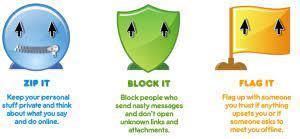
Online Safety
Here you can find a range of links to help you to keep your child safe when online. If you require any further support, or have any questions, please don't hesitate to get in touch with the school.
-
DfE Guidance on Online Safety This guidance outlines resources to help keep children safe from different risks online and where to go to receive support and advice.
-
Thinkuknow Provides advice from the National Crime Agency (NCA) on staying safe online. Games and activities are available for children of all ages.
-
Childnet A useful toolkit to support parents and carers of children of any age to start discussions about their online life, to set boundaries around online behaviour and technology use, and to find out where to get more help and support.
-
Connect Safely A collection of short, clearly written guidebooks that demystify apps, services and platforms popular with kids, however most of these shouldn't be accessed by children under 13 years old.
-
Internet Matters Provides age-specific online safety checklists, guides on how to set parental controls on a range of devices, and a host of practical tips to help children get the most out of their digital world.
-
Let's Talk About It Advice for parents and carers to keep children safe from online radicalisation.
-
London Grid for Learning Provides support for parents and carers to keep their children safe online, including tips to keep primary aged children safe online.
-
Net Aware Support for parents and carers from the NSPCC, including a guide to social networks, apps and games.
-
Parent info A collaboration between Parentzone and the NCA providing support and guidance for parents from leading experts and organisations.
-
UK Safer Internet Centre Tips, advice, guides and other resources to help keep children safe online, including parental controls offered by home internet providers and safety tools on social networks and other online services.
-
Report harmful content online If you've experienced or witnessed harm online, Report Harmful Content can help you to report harmful content online by providing up to date information on community standards and direct links to the correct reporting facilities across multiple platforms
Using Tik Tok Safely
More and more children are now using Tik Tok. make sure you know how to keep your child safe if they are using this:
Latest Updates from the National Cyber Security Centre
Countering Sextortion
Over the past few years there has been an evolution in online scamming. This relatively novel phenomena involves attempting to extort internet users by claiming to possess compromising recordings of said user. The user will be threatened with the release of alleged indecent material, which will only be avoided through paying a ransom via bitcoin.
The emails can be highly convincing, written in language designed to convince the recipient that the perpetrator that they have an advanced command of computers. Persuading the recipient of the credibility of the threat. This form of scamming can be highly successful, relative to other more easily detected scams.
To find out more on what to do to prevent yourself becoming targeted, please follow the link below for advice from the National Cyber Security Centre on what to do.
https://www.ncsc.gov.uk/guidance/sextortion-scams-how-to-protect-yourself
URGENT SAFEGUARDING WARNING
Cannabis Edibles
We have been alerted by the Eastern Region Special Operations Unit to raise your awareness of cannabis edibles. They are packaged like sweets and chocolate; see below example. Eating just one sweet is equivalent to smoking one cannabis joint.
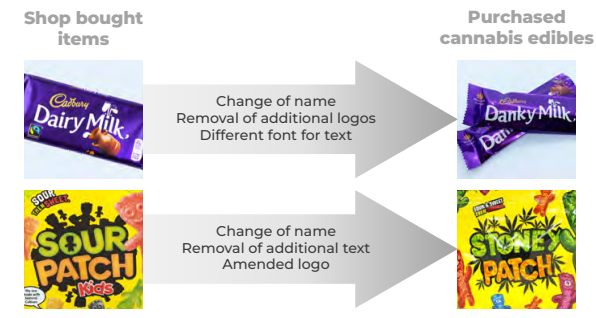
Due to being illegal in the UK, cannabis edibles are generally purchased through networks such as social media outlets including TikTok, Snapchat, and Instagram. It is because of these modern communication methods for supply and purchase, young people are able to access cannabis edibles at the touch of a button.
County lines gangs are using the illegal sweets to entice children and then exploiting them, which can also be done through social networking sites including Fortnight.
Children who are permitted by parents to use these platforms are particularly vulnerable and we advise you to take immediate action to protect your child/ren from serious harm.
Please see parent leaflet on the dangers of cannabis edibles, with. Further information is on the police counter terrorism website. A downloadable version is below.
Keep your child safe on Fortnite
You may be familiar with the popular video game Fortnite, the online shooter game. While it’s not automatically dangerous, it does carry some risks.
Please download the factsheet below to help you keep your child safe on Fortnite. It will help you to feel more informed, decide whether you’re happy for your child to play the game, and learn how to set up parental controls.
Keep your child safe on YouTube
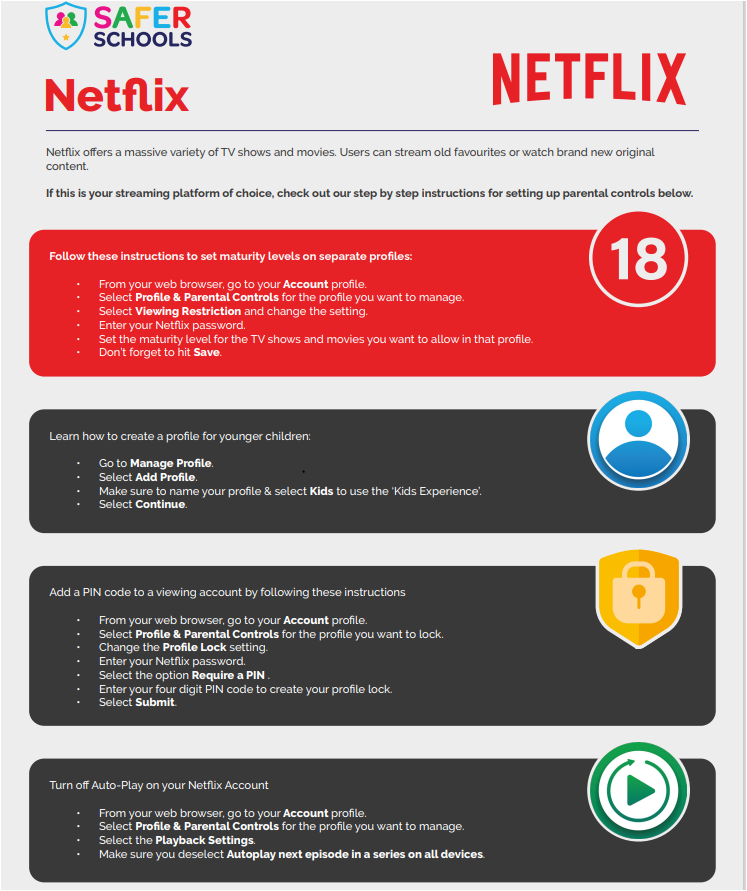
Letter to all families


Social Media Guides
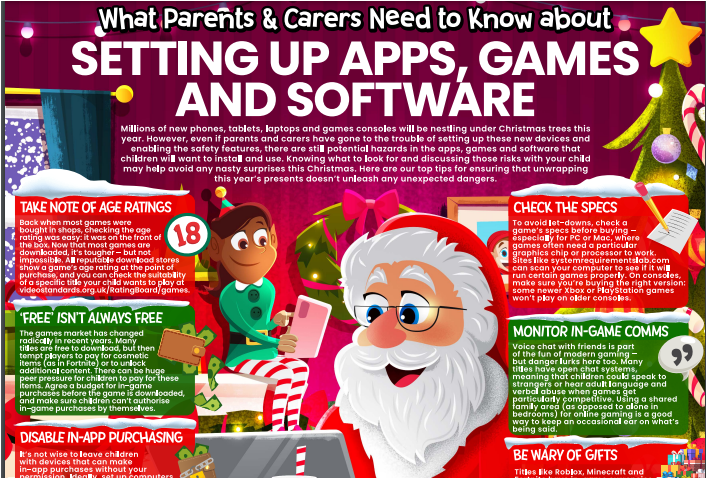
Useful links
-
Childnet.comOnline safety for young people.
-
Band RunnerAn interactive game for 8-10 year olds; helps them to distinguish the difference between safe and unsafe behaviours online.
-
BBC Own ItAdvice for children on online safety.
-
Childnet InternationalFor primary children
-
Facebook Safety CentreGuides to Facebook settings
-
Internet MattersA guide to help you through the many issues children can experience when using the internet.
-
Internet Matters: InstagramA safety how-to guide for parents
-
Internet Matters: SnapchatA safety how-to guide for parents
-
Internet Matters: YouTubeTips to keep your children entertained and safe
-
Internet Watch FoundationThe UK Hotline for reporting criminal online content
-
Report Online Terrorist Material (gov.uk)Report illegal terrorist information, pictures or videos you’ve found on the internet. Your report will be treated anonymously.
-
ThinkUKnowLearning resource for children
-
UK Safer Internet Centre: Parental ControlsHow to set up parental controls offered by your home ISP
-
DfE Supporting Parents and Carers in Keeping their Child Safe OnlineLinks, leaflets, definitions and more. Includes child sexual exploitation, radicalisation, sexting, cyberbullying and age-appropriate parental controls.
-
Net-AwareA guide to the social networks your kids use from the NSPCC
E-Safety Tips for Parents: Under 5
Safety on the internet matters. Our fun, interactive, stop motion animated video has useful advice and tips for parents of 0-5s so that you can help them to ...
E-Safety Tips for Parents: 6-10
Safety on the internet matters. Our fun, interactive, stop motion animated video has useful advice and tips for parents of 6-10s so that you can help them to...
E-Safety Tips for Parents: 11-13
Safety on the internet matters. Our fun, interactive, stop motion animated video has useful advice and tips for parents of 11-13s so that you can help them t...